Q: What physical traits matter most in child modeling today?
A: The biggest shift in child modeling is toward authenticity. Agencies and brands are looking for a natural, kid-like look — not something overly polished or pageant-ready.
Here’s what stands out today:
-
A natural appearance
-
Clear skin (but freckles, birthmarks, and small blemishes are absolutely fine)
-
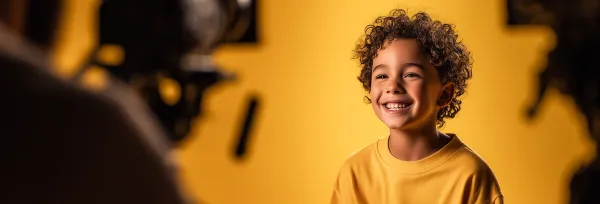
An expressive face and a real, genuine smile
-
Healthy, natural hair
-
A photogenic quality — meaning the child translates well on camera
-
Unique features like curly hair, freckles, or even missing teeth
-
Confidence and comfort in front of the camera
Perfection isn’t the goal anymore. Personality is.

Q: Is the modeling industry becoming more inclusive for kids?
A: Yes — overall, the modeling industry is becoming more inclusive for children.
Brands want real representation. That includes diversity in:
-
Skin tones
-
Body types
-
Hair textures
-
Abilities
-
Unique features
Casting directors are increasingly focused on authenticity and relatability. Today’s campaigns reflect real families and real kids — and that’s a positive change for the industry.

Q: How important is confidence versus looks?
A: Confidence is more important than looks in child modeling.
A confident child who feels comfortable in front of the camera will always outperform someone who is technically “perfect-looking” but stiff or unsure.
Clients notice:
-
Ease of movement
-
Natural reactions
-
Willingness to take direction
-
Comfort in new environments
Confidence creates better photos, better energy on set, and better long-term opportunities.
Q: What should a child modeling portfolio include — and avoid?
A: A strong child modeling portfolio should feel clean, natural, and honest.
Include:
-
A clear headshot with a natural smile
-
A full-body photo
-
Photos in simple outfits
-
Natural lighting
-
A few expression shots (happy, curious, thoughtful)
-
Minimal or no editing
Avoid:
-
Glamour or pageant-style photos
-
Heavy makeup
-
Busy or distracting backgrounds
-
Props or costumes
-
Snapchat or Instagram filters
-
Overly posed or overly styled looks
Less is more. Casting teams want to see the real child — not a stylized version.
Q: Do you prefer natural expressions or more stylized looks in kids?
A: Natural expressions — always.
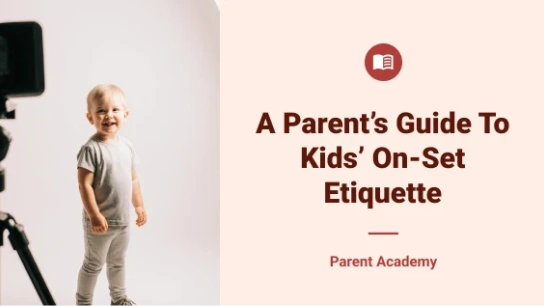
Kids shouldn’t look like they’re trying too hard. The best shots happen when children are relaxed and simply being themselves.
Q: How do you handle kids who freeze in front of the camera?
A: It happens more often than parents think — and it’s completely normal.
Here’s what works:
-
Make them laugh
-
Give simple, fun prompts
-
Let them move or play
-
Keep sessions short
-
Stay patient and positive
A relaxed child always opens up. When kids feel safe and supported, their personality shines through.
Why Authenticity Wins in Child Modeling
The child modeling industry continues to evolve — and authenticity is leading the way. While appearance still plays a role, natural confidence, individuality, and comfort in front of the camera matter far more than perfection.
For parents exploring opportunities on KidsCasting, remember:
-
Don’t over-style your child
-
Focus on simple, natural portfolio images
-
Encourage confidence, not pressure
-
Let your child’s personality lead
The industry isn’t looking for flawless — it’s looking for real.
Final Thoughts
With more than a decade of experience in filmmaking, youth engagement, and production leadership, our North Carolina creative partner sees firsthand what makes young talent succeed. His advice is clear: confidence, authenticity, and a relaxed environment matter more than polished appearances.
As child modeling becomes more inclusive and personality-driven, families who focus on nurturing their child’s comfort and individuality will always have the edge.
Looking to get started? Create a natural, honest profile on KidsCasting and let your child’s true personality shine.