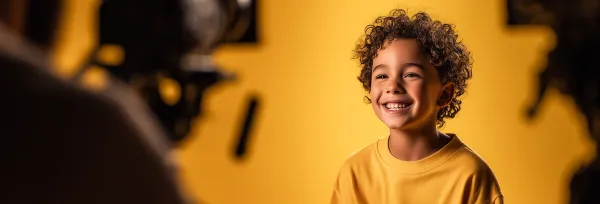
How social media can help young actors
Kids can get used to being on camera without too much pressure by using social media. A lot of kids today already know how to record videos, which can make self-tape auditions feel more natural.
Some of the benefits are:
-
Getting better at talking on camera
-
Working on how to deliver and make facial expressions
-
Using short videos to explore creativity
-
Finding your own style
For commercial or influencer-style roles, casting directors may look at social media profiles. A child who is comfortable and expressive on camera may stand out.
This is an extra, not a replacement for auditions, though.
Why social media is not a casting shortcut
A lot of people think that having followers will automatically lead to acting jobs. A strong online presence can help in some cases, but it's not the main way to get into TV or films.
Most jobs in the professional world are still filled through:
-
Directors of casting
-
Agents for talent
-
Verified platforms for casting
KidsCasting and other platforms let parents apply directly for real roles in TV shows, movies, and commercials. This is something that social media alone can't do.
A child who can audition well but doesn't have many followers will often get more work than one who has a lot of followers but no experience.
What kind of content really helps?
The type of content your child shares on social media is more important than how often they post.
Content that is helpful includes:
-
Short scenes or monologues that don't last long
-
Reactions that are real and not planned
-
Making up stories
-
Humour that is light and appropriate for kids
This kind of content really helps you learn how to do things. It also shows personality without making you do something that feels forced.
Don't just pay attention to trends. Copying content that goes viral doesn't usually show off your acting skills.
How social media can hurt an acting career
There are both good and bad things about social media, especially for young performers.
Some common problems are:
-
Always feeling like you have to do well
-
Putting themselves next to other people
-
No longer interested in real acting work
-
Being exposed to bad comments
Overexposure is another big risk. If a child is very connected to a certain online persona, it can make it harder for casting directors to see them.
For instance, if all of the content is funny or over-the-top, it might be harder for casting to picture them in serious roles.
Why being real is more important than following trends
More and more, casting directors want kids who seem real and relatable. Social media can help or hurt this.
Real content:
-
Feels right for the age and natural
-
Shows who your child really is
-
Doesn't use forced humour or over-the-top behaviour
Content based on trends:
-
Can get old quickly
-
Doesn't always show off acting skills
-
Might seem fake
Kids who are true to themselves tend to stand out more, whether it's online or in auditions.
How to keep your child's online privacy safe
When kids use social media, safety should always come first.
Basic rules:
-
Don't ever give out your home or school address
-
Don't post your current location
-
When you can, keep an eye on accounts or make them private
-
Control who can send your child a message
Parents should be directly in charge of their kids' accounts, especially for younger kids.
Keep in mind that casting directors don't need personal information from you on social media. Structured channels will lead to real opportunities.
How to balance social media with real acting work
You should never use social media instead of real acting experience. Auditions, classes, and work on set are the best ways to grow.
A healthy balance is:
-
Using social media as a practice tool
-
Sending in applications for casting calls on a regular basis
-
Going to acting classes or workshops
-
Time for school and other normal things
It's time to cut back on social media if it starts to feel like a duty or pressure.
When social media can really help with casting
There are times when social media can be helpful.
For example:
-
Commercial roles that appeal to normal, everyday kids
-
Campaigns like those used by influencers
-
Projects that need someone with a strong personality on camera
In these situations, casting teams might look at a child's social media posts to see how they act naturally.
But these chances are usually part of a bigger casting process that doesn't just happen on social media.
Why structured platforms are still the most important
Social media can help you get noticed, but you can only find real casting calls through professional channels.
KidsCasting offers:
-
Real and authenticated casting calls
-
Clear descriptions of roles
-
Application processes that are safe
-
Acting and modeling projects all over the US and Canada
This organised method helps parents stay away from scams and focus on real chances.
Social media may help you get in touch with people, but casting platforms help you get in touch with them.
Final thoughts
If you use social media wisely, it can help your child with their acting career. It should boost confidence, spark creativity, and help with on-camera skills without becoming the main focus.
Parents' top priority is balance. Keep your child's privacy safe, encourage them to be themselves, and make sure that real acting opportunities are always at the center of the process.
Social media can help your child grow when used correctly, but real experience, regular auditions, and a supportive environment are what really make an acting career.